
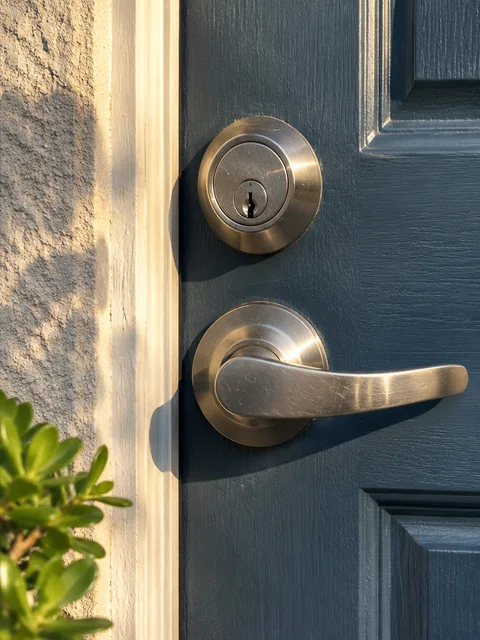
A front door shouldn't need a shoulder shove before the key will turn. If it does, it helps to notice whether the deadbolt moves freely with the door open. A bolt that works in the open may be rubbing against the frame when the door closes. Writing down that difference can save a little guesswork before anyone talks about a new lock.
LockReach South El Monte can help you plan a residential locksmith visit for a door that's sticking, a key that's worn or a lock you want to put on a different key. Call 626-416-3016 with the address, which door is affected and whether you own or rent. If it opens onto a shared hallway or you're unsure who manages the hardware, mention that early.
What does the door do on a normal day?
Start with whatever you can see and feel without forcing anything. Does the handle return to its usual position? Does one key fail while another works? Does the door close by itself, or do you have to pull it toward you to lock it? If you only tested it after dark or when you were rushing out, checking again calmly can reveal details that are easy to miss.
The latch holds the door closed when the handle is at rest. The deadbolt is a separate part you deliberately throw to lock the door. Both meet openings in the frame. If the deadbolt moves smoothly while the door is open but drags while it's shut, the door, hinge fit or frame may need attention. If you feel the same resistance with the door open and with more than one key, mention that, too. Avoid forcing the key and making the problem worse.
When to repair, rekey or replace
A repair is worth discussing when the door and hardware still suit the household. It could address something worn or loose or a door that no longer meets the frame cleanly. Ask the locksmith what would be kept and whether the suggested work will address the symptom you actually noticed. A door that repeatedly hits its frame may keep giving you trouble even after the cylinder has been changed.
A rekey can make sense when the hardware works and your concern is who has an old key. Where the cylinder supports it, its internal parts can be changed to work with a different key. The visible hardware stays in place. It's useful after turnover or when somebody with a spare no longer needs access. If you want several doors on one key, explain which entries they are and ask whether their cylinders and key types are compatible.
Replacement is a sensible option when the hardware is damaged, badly worn or hard for someone in your household to operate. A new lever might be easier for someone who struggles with a round knob. A different finish or style may also make sense during a remodel. Take a photo of the door and current hardware so you can discuss a suitable fit before buying a box that doesn't match the openings.
Work with the person who controls the door
The handle and deadbolt on your unit door may be managed differently from the callbox, a shared gate or the lock on a laundry room. If you rent, ask the owner or manager which parts you may change and what they need to approve. If a manager keeps an emergency copy or uses a building key system, discuss how the work would affect it.
The locksmith may ask for identification and evidence you can authorize work. If the owner can't be there, ask how to document permission before arranging the appointment. For a duplex or a house with a rented rear unit, identify precisely whose entrance is affected. In the area around Garvey Avenue, saying which entrance to use can matter as much as giving the street number.
When you're choosing hardware for a frequently used entrance
A door that guests see once a month and a kitchen door that everybody uses twice a day don't have to present the same choices. A regularly used entrance may need hardware that is easy to grip in the dark or while you're holding a bag. Think about who comes and goes, whether you want the door to lock automatically when it closes, and how someone would get back inside if they left their key in the house.
Describe the door material, its condition and the existing lock before deciding on a replacement. A narrow frame, an old patch around the lock or a door that doesn't sit square can affect which hardware fits. If you're considering a keypad, ask what it needs for power and how you would use the door if the batteries run down.
Make the new arrangement easy to live with
Think about the daily route through the property. Someone might use the kitchen door most of the week even if you normally greet visitors at the front. One-key convenience for the household might be useful, and a separate key may make sense for a unit or door that serves different people. Decide who needs access before agreeing to key groups.
At handoff, try each new or serviced lock yourself. Work through the same actions you do in real life, including closing the door gently and using a spare. Ask household members who may have trouble with stiff or hard-to-grasp hardware to try it. If a lock was rekeyed, ask how to check that the old key no longer works on the serviced door. Keep new copies accounted for.
- Identify the doors that should open with the same key and any doors that need a separate one.
- Count the copies needed by residents and any people authorized to hold one.
- Keep a simple record of which household doors were worked on and what changed.
An easier door starts with a clear description
Before you call, close the door the way you normally do and take note of where it catches, if you can do so safely. If a key went missing or you just got the keys to the property, say that first so the conversation starts with access instead of hardware. Check the service area list or call 626-416-3016 to discuss your address, the door and who can authorize the work. Bring your questions about keys and everyday use so the finished job makes sense for everyone who lives there.
Questions people ask
Can a deadbolt be kept when I change keys?
It often can if the cylinder is serviceable and supports a different key. A damaged cylinder, unsuitable hardware or an alignment issue may need additional attention before you decide.
Can renters arrange a lock change?
Check with the property owner or manager about permission, required hardware and key handoff. Let the locksmith know what you've been authorized to change and whether a manager needs to attend.
Should I replace a lock that feels stiff?
Share when it feels stiff and whether the problem also happens with the door open. A locksmith can assess the door, frame, key and lock before you commit to replacing any one part.