
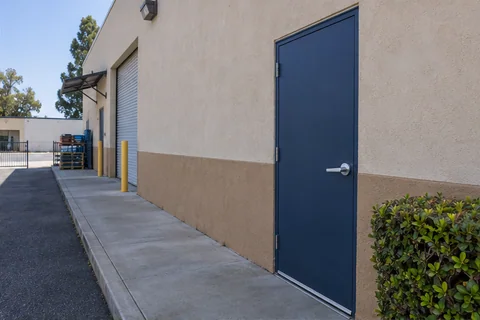
The problem may be at the staff door, where the first shift can't get in even though the front lock still works. Or it may be a question about how many people kept keys when a tenant moved out. A commercial locksmith visit goes more smoothly when the person calling can explain which door is affected, what it needs to do during business hours and who can sign off on the work.
Call LockReach South El Monte at 626-416-3016 to discuss a business lock issue. Give the complete address, the suite if there is one and the name of the person meeting the technician. It's useful to say whether the current issue is keeping staff or customers outside or whether the work can be done around your normal schedule.
Identify the actual door
South El Monte's economic development department lists Rush Street, Chico Avenue and Santa Anita Avenue among the city's business corridors. At a building with multiple units, a name on the front may tell someone very little about which door is causing trouble. Point out the shop entrance, staff door or shared hallway in a way someone who has never been there can follow.
Describe what's happening without opening up the lock. If the key turns but the door will not come free, say so. Mention a handle that droops, a door that rubs a saddle or a latch that only holds when someone pulls the door toward them. A report from the person who uses the door every morning can be more useful than a photo on its own. Photos of both faces of the door and the edge can still help identify what is there.
If the affected door serves as a fire exit or needs special egress hardware, say that at the start. A door that people depend on to leave a building changes what work and timing are appropriate. Tell the dispatcher if there is a separate building contact who manages the door. Keep the route clear while the equipment and the property's requirements are being reviewed.
Plan around a lease handover or change in staffing
Make a short list of the locks within your authorized scope before you ask to change keys. A storefront may have a separate office, stockroom or rear entrance. A shared entrance with other tenants may be the landlord's responsibility. If you have a landlord or facilities team, ask whether the property uses a building key system and how your change would affect their access.
Decide who should be able to open each door when the work is done. A storefront manager may need access to everything in the unit, while a cleaner and a weekend supervisor may each need only one entrance. The people who need keys, when they work and who holds the spare are better starting points than the number of cylinders you can see.
Working hardware may be suitable for a rekey, which changes which key the lock accepts while keeping the hardware in place. A badly worn or damaged part may need repair or replacement instead. Bring up any recent door repairs or sticking keys, especially if several people have noticed the same issue. Ask the technician how those symptoms affect the scope before a key change is approved.
Set up the visit around operations
A brief visit can still come at the wrong time if it interrupts opening or a dock handoff. Tell the dispatcher when the affected door has to be in service and whether parts of the work can be done in stages. Give a meeting point away from moving forklifts, delivery trucks and anyone lining up to get in. If your property requires a sign-in or an escort, say so.
At a workplace with shift changes, make a plan for the people arriving while the door is being checked. Someone should have the authority to approve the work and someone should know what to tell the next shift. Those might be the same person at a small shop. Passing the name and phone of an on-site contact to dispatch is more useful than leaving a note with no way to get a quick answer.
- Confirm the authorized approver and the person who can show the technician the door.
- Tell us when the door has to be back in service and which entrance can be used during work.
- Ask what is priced as part of the visit and how any change in scope will be approved.
Decide when a temporary arrangement makes sense
A business may need to keep one entrance in use while waiting on a part for another. Talk through which alternative entrance staff can use, who should be told, and what should happen at closing. If the temporary plan would send staff through a neighboring unit or a landlord-controlled area, ask for permission before routing anyone there.
Distinguish work that can be assessed during a visit from parts or specialty equipment that have to be identified first. A photo and the name of the manufacturer can help with that conversation. For hardware that affects exit or building access, make sure the people responsible for the property know about any temporary change.
Test the finished work with the people who use it
Ask to check that the door closes and latches the way staff expect. Try the keys assigned to the lock and ask how to confirm that superseded keys have lost access where intended. Check each lock that was included in the estimate. An agreed list of door identifiers and keys makes it easier to spot an omission before everybody leaves.
Record who took the new copies and which doors they open. For a leased space, send the handover record to the manager if your building calls for it. That small step makes the next turnover easier, especially when the person who originally supervised the work won't be there to explain whether the back door and front door use the same key.
Give us one door to start with
Call 626-416-3016 with the first affected entrance and what you need it to do. If multiple locks are involved, have your door list ready when you call. The Locksmith El Monte page includes additional location details for calls near the station and the Garvey and Peck area. Once you have a sensible door order, confirm what goes into the estimate and choose a visit that fits the way your workplace runs.
Questions people ask
Can a tenant rekey a commercial unit without the owner there?
Ask the landlord or property manager what authorization is required and how it should be documented. If there is a shared key system, check how the work would affect building access before work is arranged.
Can all of our doors be put on one key?
That depends on the hardware, the key type and who should be able to use each door. Share the desired access groups and ask which cylinders can be kept.
Can you work on a door with special exit hardware?
Describe the existing equipment and the door's use when you call. The work has to fit the hardware and the property's safety requirements, so confirm the scope before setting the appointment.